
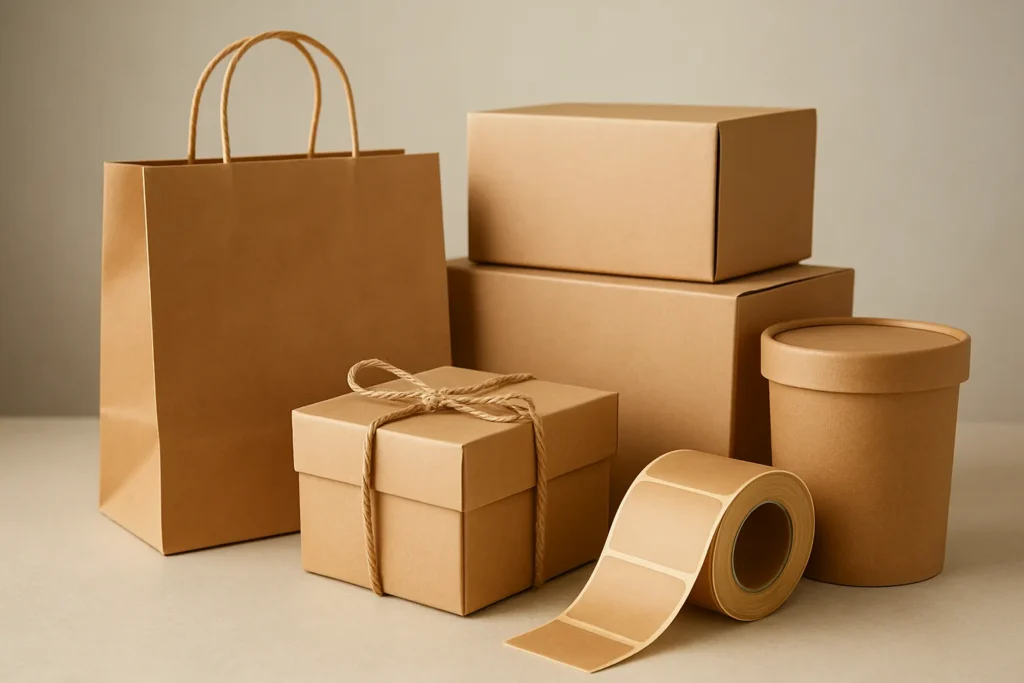
The Importance of Eco-Friendly Packaging in Retail Labels and Gift Boxes
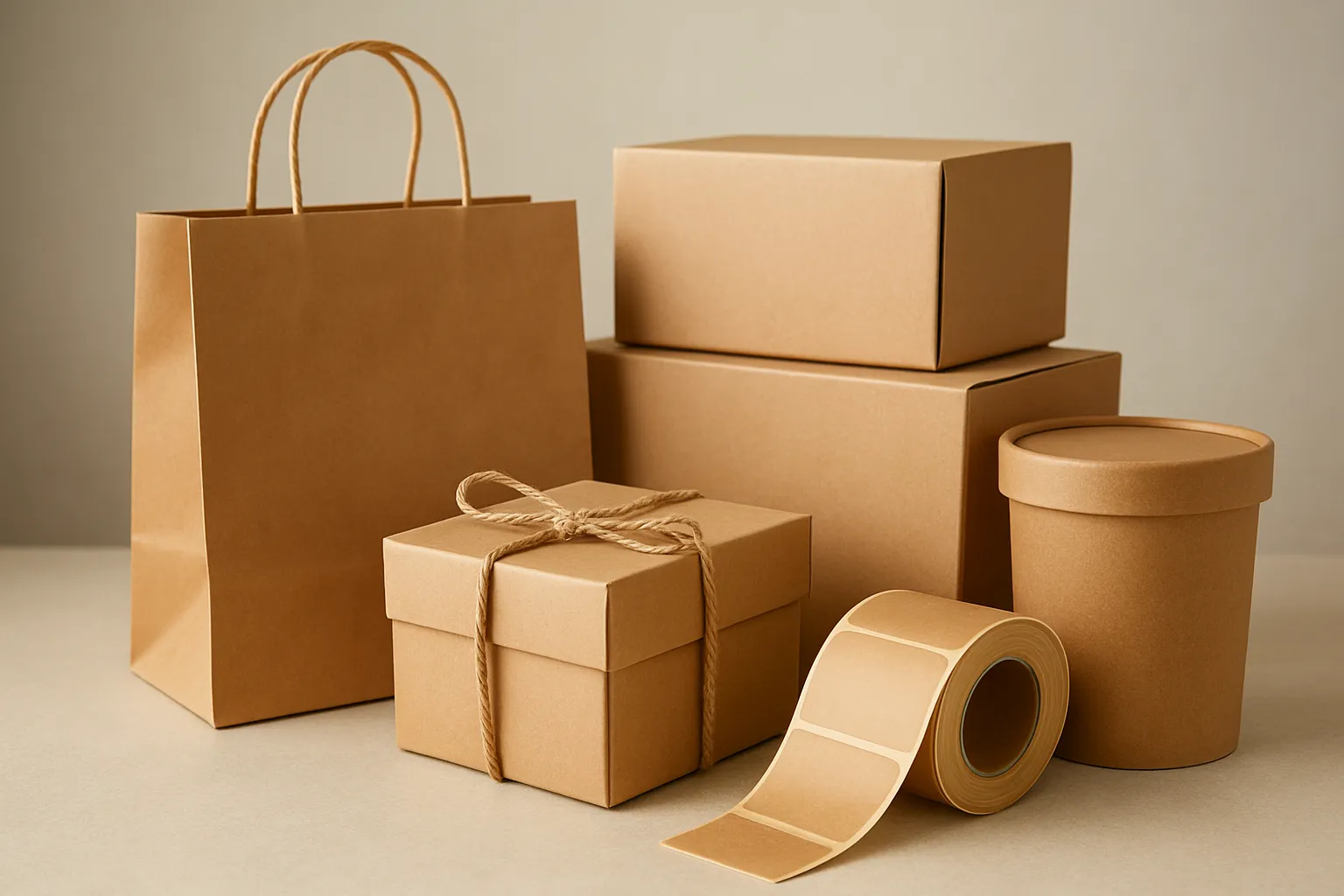
1. Introduction to Eco-Friendly Packaging
In recent years, the concept of eco-friendly packaging has gained significant traction within the retail industry. Eco-friendly packaging, which minimizes environmental impact, refers to materials and processes designed to reduce waste and ensure that packaging can be recycled or composted after use. As consumers become increasingly aware of environmental issues, the importance of eco-friendly packaging in modern retail cannot be overstated. Retailers are not only responding to consumer demand for eco-friendly solutions but also taking proactive steps to contribute to sustainability efforts.
2. Benefits of Eco-Friendly Packaging
The advantages of adopting eco-friendly packaging are manifold.
Environmental Impact
First and foremost, eco-friendly packaging significantly reduces the environmental footprint of retail operations. Traditional packaging materials, such as plastics, contribute to pollution and landfill waste. In contrast, eco-friendly options help reduce greenhouse gas emissions, conserve natural resources, and promote a healthier ecosystem.
Consumer Preferences
Moreover, consumer preferences are shifting towards sustainability. A growing number of shoppers prefer brands that demonstrate a commitment to environmental responsibility. Research indicates that many consumers are willing to pay a premium for products that use eco-friendly packaging. This trend presents an opportunity for retailers to differentiate themselves in a competitive market.
Brand Image Enhancement
Implementing eco-friendly packaging also enhances brand image. Companies that prioritize sustainability often enjoy increased customer loyalty and positive brand perception. By showcasing their commitment to eco-friendly practices, retailers can attract environmentally conscious consumers and build a reputation as a responsible business.
3. Types of Eco-Friendly Packaging Materials
Retailers have a variety of eco-friendly packaging materials to choose from:
Biodegradable Options
Biodegradable packaging is designed to break down naturally in the environment, reducing waste and pollution. Materials such as plant-based plastics or paper products fall into this category.
Recyclable Materials
Recyclable packaging, such as cardboard and certain plastics, can be processed and reused, thus reducing the need for new raw materials. Retailers can encourage consumers to recycle by clearly labeling their packaging.
Sustainable Sourcing
Sustainable sourcing involves obtaining materials from responsible sources that do not deplete natural resources. This can include using FSC-certified paper or materials derived from recycled content.
4. Use Cases for Eco-Friendly Packaging in Retail
Eco-friendly packaging can be effectively utilized in various retail contexts:
Retail Labels
Retail labels made from eco-friendly materials can enhance product appeal while communicating sustainability to consumers. These labels can be printed on recycled paper or utilize biodegradable inks.
Gift Boxes
Gift boxes present an excellent opportunity for retailers to showcase eco-friendly packaging. Offering beautifully designed boxes made from sustainable materials can enhance the gifting experience while promoting a brand’s commitment to the environment.
Seasonal Promotions
During seasonal promotions, retailers can leverage eco-friendly packaging to create unique, sustainable offerings. For example, holiday gift boxes made from recycled materials can attract customers looking for environmentally friendly options during their shopping.
5. Comparing Eco-Friendly Packaging Solutions
When considering eco-friendly packaging, it is essential to evaluate various solutions based on several criteria:
Cost vs. Sustainability
While eco-friendly packaging may sometimes come at a higher initial cost, the long-term benefits often outweigh these expenses. Brands can save money through reduced waste disposal costs and increased customer loyalty.
Performance and Durability
It’s crucial to ensure that eco-friendly packaging meets performance standards. Many modern materials are designed to be as durable as traditional options, ensuring that products are protected during transit and storage.
Aesthetic Appeal
Eco-friendly packaging does not have to compromise on aesthetics. In fact, many consumers are drawn to the natural look of sustainable materials, which can enhance the overall product presentation.
6. Sourcing Eco-Friendly Packaging
Finding reliable suppliers for eco-friendly packaging is critical for retailers looking to make the switch.
Finding Reliable Suppliers
Retailers should seek suppliers who specialize in sustainable materials and have a proven track record. Networking within industry associations or attending trade shows can help identify potential partners.
Certifications to Look For
When sourcing eco-friendly packaging, look for certifications such as FSC (Forest Stewardship Council) or Cradle to Cradle, which indicate responsible sourcing and manufacturing practices.
Cost Considerations
While the initial investment in eco-friendly packaging may be higher, retailers should consider the long-term savings and benefits associated with brand loyalty and reduced environmental impact.
7. Implementing Eco-Friendly Packaging Strategies
Transitioning to eco-friendly packaging requires a strategic approach.
Transitioning from Traditional Packaging
Retailers should develop a phased plan to gradually replace traditional packaging with eco-friendly alternatives. This may involve pilot programs to test materials and gather consumer feedback.
Employee Training and Awareness
Educating employees about the importance of eco-friendly packaging can foster a culture of sustainability within the organization. Training sessions can help staff understand how to effectively communicate these values to customers.
Measuring Success and Impact
Establishing metrics to measure the success of eco-friendly packaging initiatives is crucial. Retailers can track consumer feedback, sales data, and environmental impact to assess the effectiveness of their strategies.
8. Frequently Asked Questions
What is the cost difference?
The cost of eco-friendly packaging can vary, but many retailers find that the long-term benefits, such as customer loyalty and waste reduction, justify the investment.
How do I ensure my packaging is truly eco-friendly?
To ensure that packaging is genuinely eco-friendly, retailers should look for certifications and conduct thorough research on the materials and manufacturing processes used.
What are the regulations regarding eco-friendly packaging?
Regulations can vary by region, but retailers should stay informed about local laws and guidelines related to packaging materials and waste management to ensure compliance.
Conclusion
In conclusion, the shift towards eco-friendly packaging in retail labels and gift boxes is not just a trend but a necessity in today’s environmentally conscious market. By understanding the benefits, exploring various materials, and implementing effective strategies, retailers can enhance their brand image while contributing positively to the planet. As consumer preferences continue to evolve, investing in sustainable packaging will undoubtedly yield significant returns for businesses committed to making a difference.
For more insights on eco-friendly packaging, you can refer to this industry reference from AZoM and explore detailed studies on the topic from ScienceDirect.